

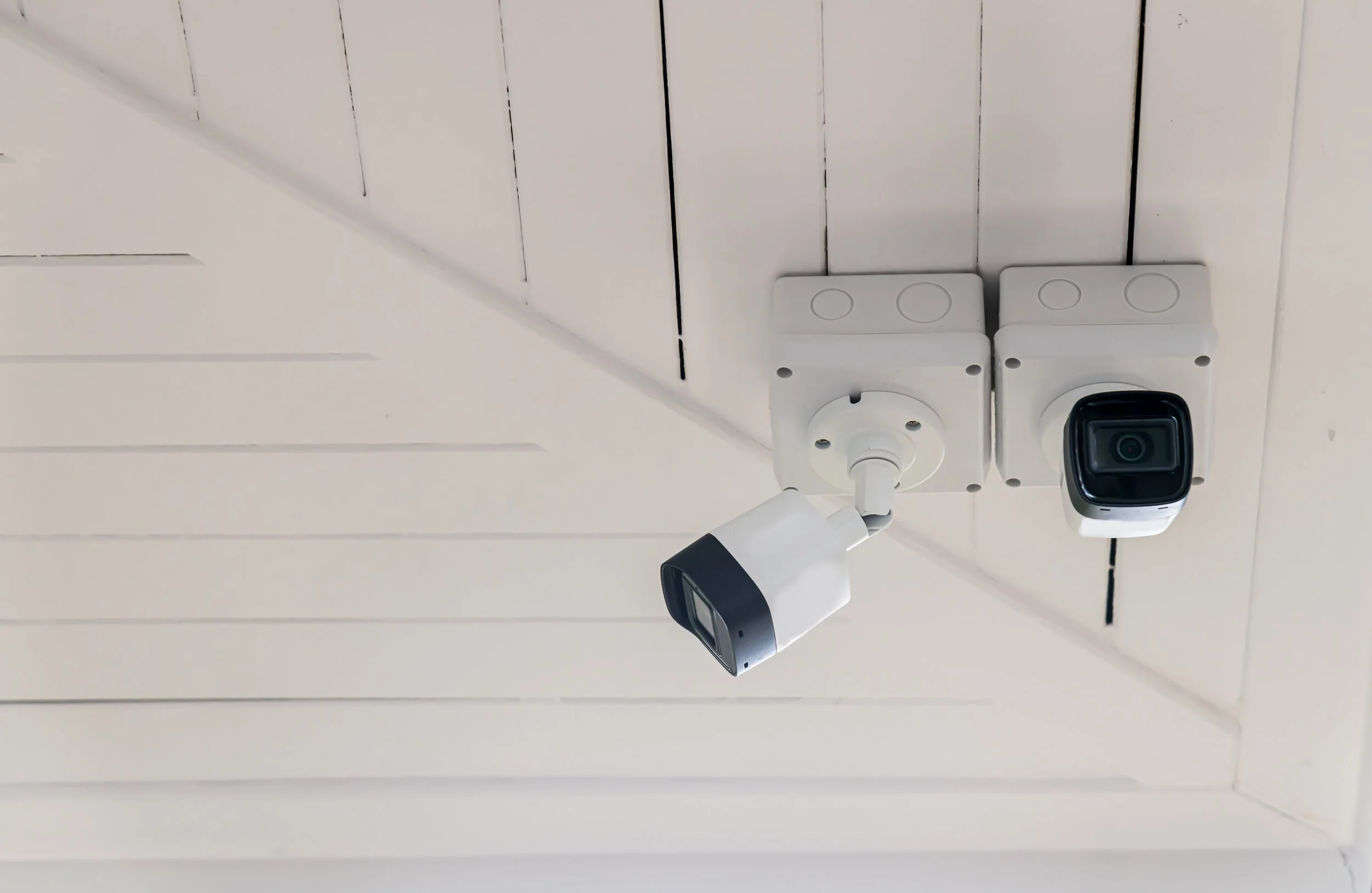
What Should You Look for in a Home Security System? A Homeowner’s Guide
Choosing a home security system involves more than deciding whether to install an alarm. Homeowners should consider what they want to protect, how the system will be installed, whether professional monitoring is available, and how the equipment will work together to provide protection.
At AMC Fire Protection Services, we help homeowners with professionally installed security solutions using equipment and technology provided through our affiliate monitoring provider. With nearly 20 years of combined electrical and commercial fire alarm industry experience, we understand the importance of proper system installation, dependable equipment, and attention to detail when working with security and protection systems.
For homeowners in Nixa, Springfield, Ozark, Branson, Joplin, Rolla, and surrounding Southwest Missouri communities, understanding what to look for in a home security system can make it easier to choose a solution that fits your property and needs.
What Should You Look for in a Home Security System?
The right home security system should reflect the layout of your home, your security concerns, and the level of protection you want. A system that works well for one household may not be the best choice for another.
Before selecting a system, consider several important factors.
1. Equipment That Fits Your Home
Security equipment should be selected based on the property and the areas you want to protect. Consider which entry points, rooms, and other areas may need coverage. The equipment needed will depend on the home's layout and the type of system being installed.
Rather than choosing equipment based only on the number of devices included in a package, think about whether the proposed setup addresses your actual security needs.
2. Professional Installation
Proper installation matters because equipment needs to be positioned, connected, and configured appropriately. A professionally installed system can help ensure that the equipment is set up to work together as intended.
3. Monitoring Availability
Homeowners should understand whether their security system includes professional monitoring and what happens when an alarm signal is received. Monitoring arrangements can vary, so it's important to understand how the service works before making a decision.
4. System Reliability
Ask about the equipment being installed, how the system communicates, and what happens if a device or part of the system stops working. Understanding these details can help you make a more informed decision.
5. Ongoing Support
A security system is not something homeowners should have to figure out entirely on their own. Consider who you can contact if you have questions, need assistance, or experience an issue with the equipment.
A good security solution should be selected with the property and homeowner in mind, rather than relying on a one-size-fits-all package.
How Does a Professionally Installed Home Security System Work?
A professionally installed home security system uses connected equipment designed to help monitor and protect a property. The specific equipment and setup depend on the system selected and the homeowner's needs.
The installation process generally involves several steps.
Evaluating the Property
The first step is understanding the home and determining what areas the homeowner wants to protect. Entry points, the layout of the property, and the homeowner's concerns can all influence the recommended equipment and installation approach.
Selecting and Installing Equipment
Once the system requirements are understood, the appropriate equipment can be selected and installed. Depending on the system, this may involve security devices positioned at designated areas throughout the home.
System Setup and Configuration
After installation, the equipment needs to be configured so the system operates as intended. This includes establishing the appropriate connections and verifying that the installed equipment communicates with the system.
Explaining System Operation
Homeowners should understand how to use their security system, how to arm and disarm it if those functions are included, and what to expect if an alarm event occurs. A clear explanation of system operation helps homeowners feel more comfortable using the equipment.
At AMC Fire Protection Services, we provide home security installation and setup using equipment and technology supplied through our affiliate monitoring provider. This allows homeowners to work with a local service provider while utilizing the monitoring provider's security system and equipment.
What Should You Consider Before Installing a Home Security System?
Before scheduling an installation, take some time to think about what you want your security system to accomplish.
A few considerations can help make the process more productive.
The Size and Layout of Your Home
The size of the property, number of entry points, and layout of the rooms can influence the equipment and installation requirements. A smaller home may have different needs than a larger property with multiple entrances and access points.
Areas You Want to Protect
Think about which areas are most important to you. Front and back entrances, garage access, and other entry points may be considerations when planning a security system.
Your Household's Daily Routine
Consider how the system will fit into your everyday life. Who will use it? Will multiple household members need access? How will the system be used when everyone is home compared with when the house is unoccupied?
These details can help determine which system features and equipment are appropriate.
Professional Monitoring
Decide whether you want professional monitoring as part of your security setup. If monitoring is included, ask how alarm signals are handled, whether monitoring is available around the clock, and what happens when a signal is received.
Installation Requirements
Some homes may have specific installation considerations related to their construction, existing equipment, or desired device locations. Discussing these details before installation can help establish what the project will involve.
Thinking through these factors ahead of time can help you have a more productive conversation with a security provider and avoid selecting a system that doesn't address your needs.
How Does Home Security Monitoring Work?
Home security monitoring involves a monitoring provider receiving signals from a security system and processing them according to the monitoring service's procedures.
When a monitored security system generates an alarm signal, the signal is transmitted to the monitoring provider. The monitoring provider receives and processes the signal based on the type of event and the procedures established for that system.
Homeowners should understand that installing a security system and having professional monitoring are two related but different things. Equipment provides the security system's capabilities, while monitoring provides an additional service for receiving and responding to qualifying alarm signals.
Before choosing a monitored system, ask questions such as:
- Is monitoring available 24 hours a day, seven days a week?
- What happens when an alarm signal is received?
- How are homeowners contacted about an alarm event?
- Are there different monitoring options?
- What happens if the system experiences a communication issue?
- Who should be contacted if the monitoring service or equipment needs attention?
AMC Fire Protection Services works with an affiliate monitoring provider that supplies the security system equipment and monitoring technology. AMC assists with installation and setup, while the affiliate provider supplies the monitoring service.
Understanding how those responsibilities are divided helps homeowners know who provides the equipment, who handles monitoring, and where to turn when they need assistance.
Is Professional Home Security Installation Worth It?
For homeowners who want a security system installed and configured with professional assistance, professional installation can offer several advantages.
Equipment Placement and Setup
A professional can help determine where equipment should be installed based on the home's layout and the areas the homeowner wants to protect. Proper setup also helps ensure that the installed equipment is configured to work with the system.
A System Planned Around Your Property
Every home is different. Professional installation provides an opportunity to discuss the property, identify installation considerations, and select equipment that fits the home's needs.
Help Understanding the System
Homeowners should know how their equipment works and what to expect when using it. Having someone explain the setup and operation can make it easier to become comfortable with the system.
A Local Point of Contact
Working with a local installation provider gives homeowners someone to contact about installation questions and service needs. For homeowners throughout Southwest Missouri, having access to a local company can be an important consideration when choosing a security solution.
The value of professional installation ultimately depends on the homeowner's needs, the equipment selected, and the services included. It's worth understanding exactly what installation covers before deciding which option is right for your home.
What Questions Should You Ask a Home Security Company?
Before committing to a home security system, ask the provider to explain how the equipment, installation, and monitoring work together.
Here are some useful questions to ask:
What equipment will be installed?
Ask which devices are included, where they will be installed, and whether the proposed equipment addresses the areas you want to protect.
Who provides the security equipment?
Find out whether the installation company supplies its own equipment or works with an affiliated monitoring provider. Understanding the arrangement helps clarify who is responsible for each part of the service.
Is professional monitoring included?
Ask whether monitoring is part of the proposed system, what it costs, and how alarm signals are handled.
Who performs the installation?
Find out who will install and configure the equipment and whether they can explain how the system operates once installation is complete.
What happens if something stops working?
Ask who to contact if a device malfunctions, the system experiences an issue, or you need assistance after installation.
Are there ongoing costs or service agreements?
Understand any installation charges, recurring monitoring fees, equipment costs, contract terms, and other expenses before agreeing to the service.
What support is available after installation?
A security system is an ongoing part of protecting your home. Make sure you understand who to contact for questions, troubleshooting, and service needs.
Getting clear answers to these questions can help you compare providers and choose a system with a better understanding of what you're receiving.
Frequently Asked Questions
What should I look for in a home security system?
Look for a system that fits your home's layout and security needs, includes appropriate equipment, offers reliable installation and setup, and provides the monitoring options you want. Ongoing support and clear information about costs and service responsibilities are also important considerations.
How does a professionally installed home security system work?
A professional installer evaluates the property, helps determine the appropriate equipment, installs the devices, and configures the system. The homeowner should also receive an explanation of how to operate the system and what to expect if an alarm event occurs.
Is professional home security installation worth it?
Professional installation can be worthwhile for homeowners who want help selecting equipment, planning device placement, configuring the system, and understanding how everything operates. It also provides a local installation contact for questions and service needs.
What should I consider before installing a home security system?
Consider your home's layout, the entry points and areas you want to protect, your household's daily routines, monitoring preferences, installation requirements, and ongoing costs. These factors can help determine which system is appropriate for your property.
How does home security monitoring work?
A monitored security system sends alarm signals to a monitoring provider when certain events occur. The provider receives and processes those signals according to its established procedures. Homeowners should ask how the provider handles alarm events and how they will be contacted.
What questions should I ask a home security company?
Ask what equipment is included, who provides the equipment, whether professional monitoring is available, who performs the installation, what happens if equipment stops working, what ongoing costs apply, and what support is available after installation.
Talk to AMC About Home Security Installation
Choosing a home security system is an important decision, and understanding the equipment, installation process, and monitoring arrangements can help you make the right choice for your household.
AMC Fire Protection Services provides professionally installed home security solutions using equipment and technology supplied through our affiliate monitoring provider. We help homeowners with security system installation and setup, with a focus on dependable service, clear communication, and attention to detail.
Based in Nixa, Missouri, AMC serves homeowners throughout Southwest Missouri, including Springfield, Ozark, Branson, Joplin, Rolla, and surrounding communities.
Whether you're considering a new home security system or want to learn more about professional installation and monitoring, we're ready to discuss your needs.
Contact AMC Fire Protection Services to ask about home security installation or request a free estimate.